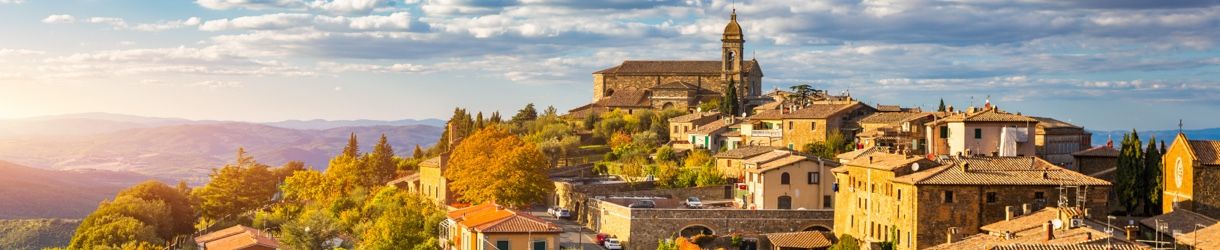
Brunello di Montalcino is one of Tuscany's most prestigious red wines, one of Italy's most esteemed and indeed one of the most celebrated wines in the world, regarded as the jewel in Tuscany's crown!
The Region
The vineyards are planted in a ring around the small walled medieval hilltop town of Montalcino, which is situated about 80 kilometres south of Florence in the province of Sienna. This is a landscape of outstanding beauty in the Val d'Orcia, characterised by gently rolling hills dotted with vineyards, olive groves and cypress trees; the region is as captivating as its wines and it's no surprise that it was recognised as a UNESCO World Heritage Site in 2004.
The vineyards of Montalcino are the driest DOCG in Tuscany and one of the smallest wine regions in Italy.
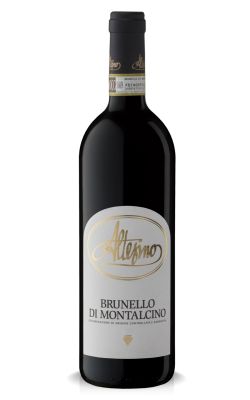
The vines are planted at altitudes that range from 149 to around 500 metres above sea level, and the climate, although Mediterranean, varies; cooler in the north [Montosoli] where the altitudes are higher and grapes ripen later, and warmer and drier in the south [Sant'Angelo in Colle and Castelnuovo dell'Abate] where the grapes ripen earlier because they receive more direct sunlight. Producers can blend grapes from both regions and many of the wines are made using fruit from a variety of different sites, but single vineyard wines are making an impact. The “cru” concept of single vineyard Brunellos was introduced in 1975, pioneered by Altesino.
The ancient extinct volcano Monte Amiata, the highest peak in southern Tuscany moderates the regions climate, protecting it from extreme weather conditions, and also creates a diurnal range where the temperature drops at night and despite the warm Tuscan sun, helps to keep the acidity in the grapes.
The region also offers varied soils which abound in minerals, including limestone-rich albarese, crumbly schist-based galestro, clay, volcanic, silt and sand; many vineyards are planted on a mix of these different soil types.
There is more heavy clay in the south's lower elevation vineyards which make for more powerful wines with deeper colour and higher alcohol, and in general there are more albarese and galestro soils on higher sites which create lighter-coloured wines with finesse.
At the moment subzones do not officially exist, and this is a controversial issue, but an understanding of how the different interplays of each region influence the wines can be an insightful way of determining what the wine may taste like - do you prefer finesse and elegance or power and concentration, or perhaps a mix of both. Brunello di Montalcino is a multi-faceted wine!
The Grape
The name Brunello means “little brown one” in Italian - it's derived from Bruno, which literally means “brown” and refers to the intensely dark colour of the grapes; historically this was the local name for the grape grown in the region of Montalcino. It wasn't until 1879 that ampelologists discovered that it was actually the same grape as Sangiovese and Brunello is a Sangiovese clone called Sangiovese Grosso. The wines must be made exclusively from 100% Sangiovese Grosso - Grosso means “large” in Italian and Sangiovese literally means the “Blood of Jove”; sanguis Joves in Latin, referring Jupiter, the chief deity of the Romans.Sangiovese Grosso, is a thicker-skinned variety and thicker skins mean high tannin. The grape is also high in acidity; in fact these two characteristics are the elements that give the wines their distinct identity, because the combination of high tannins and high acidity render them incredibly age-worthy with the potential for great longevity, evolving in bottle for upwards of 20-30 years in ideal vintages - and patience rewards!
The History
Wine has been made in the Montalcino region since ancient times, and records of winemaking there date back to the 14th century. However, the wine that was famous at that time was not a rich red, but a sweet white wine called Moscadello. The name Brunello only starts to appear in the late 16th century. But in the mid-1800's Clemente Santi a pharmacist who had also developed a passion for viticulture decided to isolate some Sangiovese vines with the intention of producing a single varietal wine that could be aged for a notable period of time. He did this at the estate he had inherited from his grandfather, the now legendary Il Greppo.
At that time it was usual practice to blend the wines and drink them very soon after production, so the concept of an aged mono-varietal wine was a unique and ground-breaking idea in Montalcino. This was when Brunello was forged, but it was Clemente's grandson, Ferrucio Biondi-Santi [a veteran soldier who had fought under Garibaldi] who took things a step further. In 1888 he released a wine that had been aged in large Slavonian oak barrels for over a decade, and so Brunello di Montalcino started its slow trajectory to fame. For years Biondi-Santi were the only producers of Brunello, but in the 1950's other winemakers noticed the success of Biondi-Santi's wine [they never trade-marked the name], and began to produce wine in the region and call it Brunello.
In the 1960's there were still only 11 producers of Brunello farming around 60 hectares - today that number has grown to more than 200 producers with 2,100 hectares under vine!
During the 1960's there was a boom in Tuscan wine and Brunello's reputation started to grow; in the 1970's the world really started to take notice of this charismatic Tuscan red and wine critics loved its complexity and power - global interest exploded!
The appellation for Brunello di Montalcino was actually created in 1968 as a DOC wine [Denominazione di Origine Controllata]. Then in 1980 it was officially promoted to DOCG [ Denominazione di Origine Controllata e Garantita] status; this is the highest quality level for Italian wines and Brunello di Montalcino was the very first DOCG wine approved in Italy.
The Winemaking
The grapes are harvested at peak ripeness and must be hand-picked. They are de-stemmed and go through a rigorous selection before a gentle pressing, and then a long maceration to extract tannin colour and flavour compounds before fermentation.
Two main styles are produced; Brunello Normale and Brunello Riserva. The currant ageing requirements for Normale are a minimum of 2 years in oak followed by 4 months in bottle and the wines are released for consumption from the 1st of January 5 years after harvest. Riserva requires 2 years minimum in oak followed by 6 months in bottle and release is from the 1st January, 6 years after harvest.
The minimum ABV for all the wines is 12.5% and the traditional bottle format is Bordeaux style with cork closure.
There are two methods of production - Traditional and Modern.
The traditional style uses large old Slavonian oak barrels called botte grandi; these are neutral and impart very little flavour to the wine.
The modern style uses smaller, newer French oak barriques. Wines made like this have softer tannins and are often ready to drink earlier and easier to enjoy on release. The way people are drinking wine nowadays has changed, and some do not want to wait 10 years before they open a bottle of Brunello - so the answer here is to go for Brunellos made in the modern style.
Although a star system to determine the quality potential of the wines of Brunello di Montalcino had previously been in place, in 2024 the Consorzio del Vino Brunello di Montalcino introduced a stringent new vintage assessment system to carry out a strict evaluation of new vintages in the January of every year. The wines are classified using a star system that reflects the diverse microclimates, terroirs and geography of the region. This system is called Brunello Forma and there are five ratings: Insufficient Vintage one star; Fair Vintage two stars; Good Vintage three stars; Excellent Vintage four stars and Outstanding Vintage five stars.
This allows for a more in-depth evaluation of the wines, so the distinct identity and anomaly of each vintage can be understood in a more detailed way.
The Wine
These wines are full-bodied but there is a noticeable difference between young Brunellos and older wines with their aromas and flavours evolving over time. There is also a difference between traditional and modern winemaking techniques - wines aged in barriques have a softer mouthfeel to those aged in botte grandi with a more vanilla, chocolate and toasty influence. Some producers have chosen to use both the large old botte and the newer barriques. Vintage and site variations also have an impact, as a few hundred meters and a change in altitude can make a huge difference to the wines. There are such a diversity of variants and such a wide range of expressions that there is no single Brunello style - but none of these wines are wallflowers and drinking them is a sensory journey!
Brunellos benefit from decanting to open up their aromas and flavours - for young wines a minimum of an hour - in general the younger the wine the more tannic it is, needing longer time in the decanter to soften it. For older wines it is advisable to stand them up the day before you plan to drink them so that the residue settles at the bottom of the bottle, and decant them for longer - at least two hours. There is no magic formula - taste after and hour to check how the wine is developing. With very old wines that are over 30 years old, ere towards caution as older wines have a tendency to collapse with too much oxygen. Serve at 18° because if the wine is to cold the tannins will feel harsh, but if it is too warm the wine's fragrance and delicacy will be masked.
Young Brunello - up to 10 years
The colour of young Brunello is typically a vivid ruby red.
The tannins are firm and the acidity fresh, which will leave you with a tart finish.
The nose and palate are fresh and intense, exhibiting vibrant fruit-forward aromas and flavours of both red and dark fruits - cherry, raspberry, strawberry, cranberry, blackberry and plum along with subtle subtle hints of floral pot pourri and violets. Earthy and herby undertones also appear.
Older Brunello - 10-20 years
The colour evolves to a deeper garnet.
Older wines display an amazing olfactory and gustatory complexity where the aromas are more nuanced with more depth and richness and a softer, velvety texture as the tannins soften and become more refined.
Fresh fruit develops into sweeter dried fruit with prunes, dried cherries and figs, along with baking spices of cinnamon, nutmeg and clove. Notes of tobacco, leather, balsamic, licorice, dark chocolate, hazelnut and earthy forest floor undertones with truffle, mushroom and wet leaves also feature.
All of these aromas and flavours develop and evolve more as the wines matures, and with Brunellos upwards of 20 years of age the aromas and flavours become even deeper and more nuanced.
With Food
Delicate dishes can easily be overwhelmed by this intense wine. You want full-flavoured, richly seasoned, herby and deeply savoury dishes here. It's therefore an ideal accompaniment to the rich and robust cuisine of Tuscany like Fiorentina steak, the hearty Tuscan bean soup Ribollita and game - especially wild boar. Also harmonious with roasted red meats, duck and guinea fowl; in fact this wine is a meat lover's dream because of the high tannins. Rich tomato based dishes, aged cheeses and the umami flavours of mushrooms and black or white truffles are more winners.
Brunello also makes a wonderful meditation wine.
Conclusion
Today Brunello di Montalcino is a global icon, and its star continues to ascend; in 2023 two of the wine world's most prestigious magazines chose a Brunello as the best wine in the world - Wine Spectator [Arginao] and Wine Enthusiast [Pogio di Sotto], this is the first and only time to date that a wine from the same region has been awarded this accolade in the same year.
The pioneering introduction of Brunello Forma has set a ground-breaking way of assessing new vintages, and we may see other wine regions follow suite and employ this scientificality-based model in the future.
Sangiovese has a remarkable ability to express its terroir and more in-depth understanding of the regions diverse range of soils, altitudes, aspects and microclimates are now being recognised by wine lovers. More producers are making single vineyard wines which gives Brunello a real sense of place and the different expressions and nuances from this small region in southwest Tuscany can be fully appreciated.
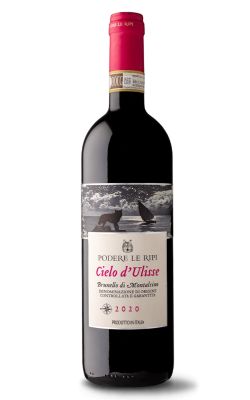
Producers are also coming up with more innovative projects. Podere Le Ripi has planted what is known as their Bonsai Vineyard, where 62,500 vines are planted per hectare; this is the most densely planted vineyard in the world! The idea is that because the vines are so compacted, they are forced to grow their roots deeper and quicker to reach the nutrients they need, and they also grow through more different soil compositions than they typically would. The yields are low, but the quality is high, resulting in an exclusive wine with great concentration.
These iconic and seductive wines can carry a price tag to match their renowned status, but Brunello has a lot to offer and there is a wine to cater for every pocket, from affordable entry point to the eye-watering pinnacle, but remember that very producer and each vintage is different, offering its own nuances.
Make sure you serve these elegant, complex and structured wines at room temperature - and in glasses with a large bowl to ensure you open up their aromas, allowing you to enjoy their stunning layers of complexity to the full - these are wines that transcend time!
Take a look at our range of these captivating wines to discover what this legendary and fascinating region is all about.
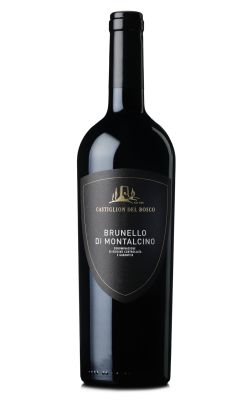
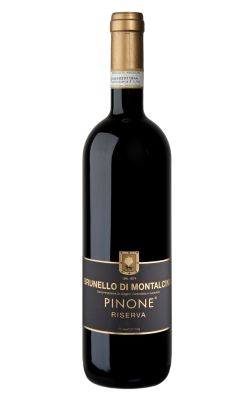
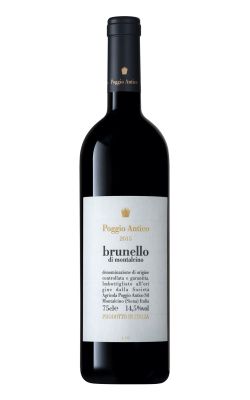
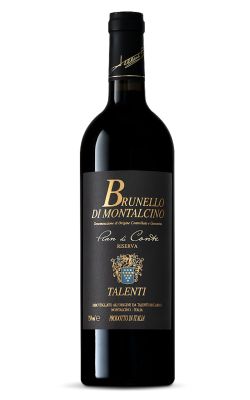
Buy Brunello di Montalcino wine below.
Wine Quick Filter
Price
Selected filters

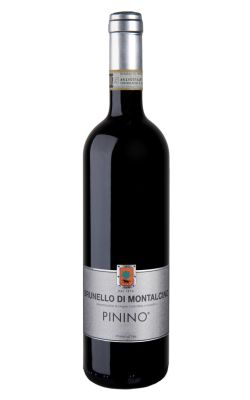
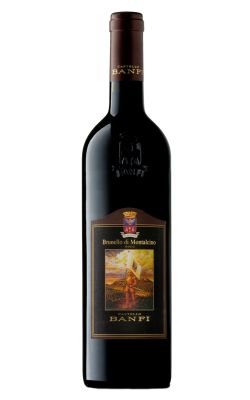
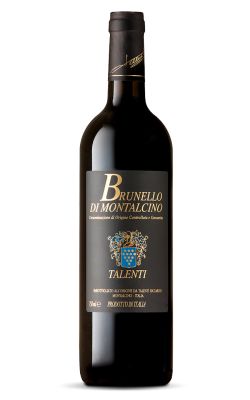
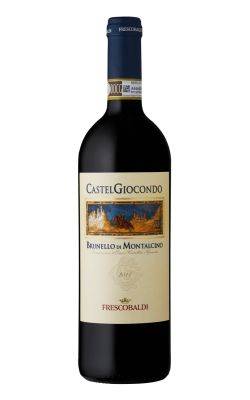
Showing 1 to 20 of 45 total products (3 Pages)