
Bordeaux
The very name Bordeaux conjures up images of prestige, elegance and finesse.
Wrapped in history, it's one of the most famous appellations in the world and home to some of the most esteemed and sought-after wines on earth.
It's also one of the world's most diverse wine regions; complex, intriguing and not easy to understand. This article endeavours to guide you through what can seem like smoke and mirrors to help you acquire a clearer understanding of this fascinating region
The History
The region was first planted by the Romans in 60 BCE who called the area Burdigala.
With the dynastic marriage of Henry Plantagenet of England [who would later become Henry II] to Eleanor of Aquitaine in the city's cathedral in 1152, Bordeaux came under English rule and the English started importing wines from Bordeaux; their commercial interest in Claret began in earnest. For nearly three centuries the whole of South-west France belonged to the English crown and at that time the British had a taste for light, fresh wines. Claret is derived from the French Clairet, meaning “light” or “pale”. By the 13th century 75% of the wine the English were drinking came from Bordeaux. Claret became a hallmark of the upper classes and the quintessential wine of the gentry. The meaning of the name has changed over the years and now means a dry dark-red Bordeaux wine.
In the 13th century Scotland was a considerable importer of Claret; King Alexander III at one time had to pledge all revenues from the port of Berwick to promise payment of debts he owed to a Bordeaux merchant, which included 400 hogsheads – that's 115,000 litres of wine!
The Bordeaux region started to be developed, planting vines around the city walls of Bordeaux and in Graves, which became the most prestigious wine area. The Médoc was originally a swamp, and it wasn't until the 17th century when it was drained by Dutch engineers - who knew a thing or two about the reclamation of marshes and were expert merchants and avid wine traders. And so the Médoc started to be planted with vines and gradually eclipsed Graves as the most esteemed region as its proximity to the Gironde estuary [because it meets the Atlantic ocean] provided easy transport. The landed aristocracy began to establish estates; many of the now world famous vineyards were established on land that was previously a swamp.
Phylloxera, the mass-murderer of vines arrived in Bordeaux around 1870, and by the early 1890's it had ravaged the vineyards, which were only saved by grafting VitisVinifera cuttings onto American Vitis Labrusca rootstocks which are immune to phylloxera. However, fearing adulteration of the vines, Bordeaux initially resisted grafting and it was actually banned by the authorities until the crisis deepened; it took the region decades to recover.
The Region
After Languedoc-Rousillon, Bordeaux is the second largest wine-growing region in France, covering the entire region of the Gironde in the department of Aquitaine. There are over 60 appellations, roughly 110,000 hectares under vine and thousands of wineries which range from modest dwellings to magnificent châteaux; some estates are centuries old - Château Pape Clément's first grape harvest took place in 1252!
Along with some of the most famous AOC’s in the world, Bordeaux also has the less distinguished categories of AOC Bordeaux, Bordeaux Supérieur, Clairet and Cremant de Bordeaux for sparkling wines.
Terroir plays a crucial role in Bordeaux through a unique combination of climate, location and soils.
Lying on the 45th parallel [right in the middle of the equator and the north pole], Bordeaux benefits from a maritime climate tempered by the Atlantic Ocean, the Gulf Stream, the Landes forest and the Gironde estuary and its tributaries – the Garonne and the Dordogne, and it's these two rivers which define the regions' geography.
The primary soil types are gravel, clay, limestone and sand. Gravel in the Médoc, clay in Pomerol and limestone in Saint-Émilion and Entre-deux-Mers with sand in the coastal regions; of course you do find some gravel and sandy soils in the Right Bank and some clay, limestone and sand on the Left Bank, all contributing their own unique twist to the enigma that are Bordeaux wines. Warmer gravel soils suit Cabernet Sauvignon, whereas cooler clay and limestone soils suit Merlot.
And Bordeaux is flat! The great majority of the vineyards are planted on gently sloping terrain at less than 50 metres above sea level.
The Left Bank
Consists of the Médoc, Graves and Sauternes.
The Medoc
The Médoc sits on a peninsula, and is thought to have taken its name from the Latin “Meduli Litus”, which means “between shores”.
Bordering the Garonne, this region which used to be a swamp now makes some of the world’s most prestigious wines, which winemakers the world over try to emulate.
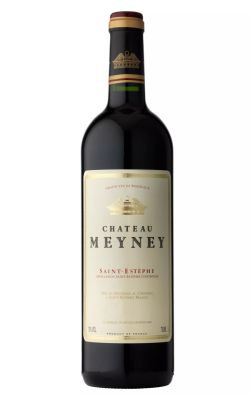
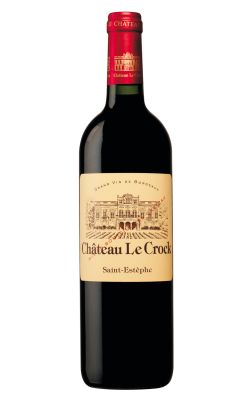
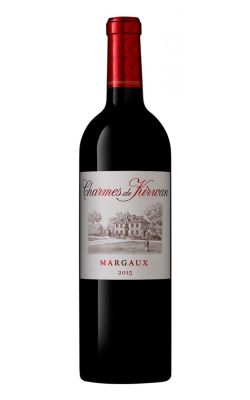
The Médoc has eight appellations: Haut-Médoc, Margaux, Moulis-en-Médoc, Listrac-Médoc, Saint-Julien, Pauillac, Saint-Estèphe and Mèdoc.
The wines of the Médoc, Graves, Sauternes and Barsac were classified in 1855. Emperor Napoleon III requested the classification as a result of the Exposition Universelle de Paris when Bordeaux's best wines were to be on display for visitors from all around the world to sample. The wines were classified into five levels based on the reputation of the château and the price its wines were fetching on the market at that time. In 1855 only four were granted the crème de la crème status of Premier Cru – Château Latour and Château Lafite-Rothchild, which are both in Pauillac; Château Margaux, which carries the name of the village it's located in, and Château Haut-Brion in Graves. Since 1855 there has only ever been one change – when Château Mouton-Rothschild [in Pauillac] was elevated to Premier Cru from a second growth status in 1973. Actually there was one other little change – Château Cantemerle was added as a 5th growth a year after the official classification for the simple reason that it had been left off the original list by accident! But basically these levels are now set in stone and will never change again. There are 5 first growths, 15 second, 14 third, 10 fourth and 18 fifth growths.
Graves
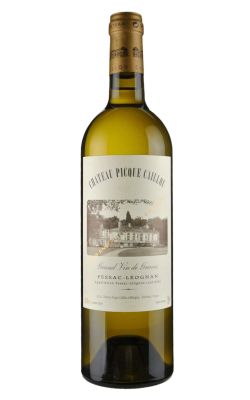
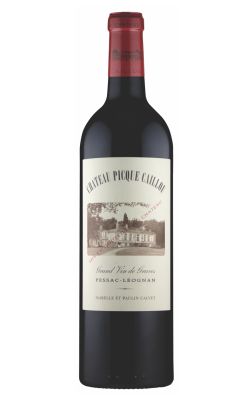
Situated upstream from the city of Bordeaux, these are the region's oldest vineyards, and the only appellation in France to bear the name of its soil. The main sub-regions are Pessac-Léognan and Sauternes. It was a white wine from Graves that was included as a first growth in the 1855 classification, but reds actually dominate the total production.
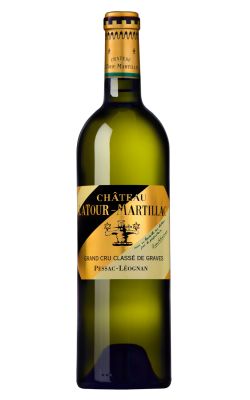
The Grand Cru Classé de Graves classification for producers in Graves was introduced in 1953, but amended in 1959. The classification eventually came into effect in 1987 and the top estates are entitled to use the term Grand Cru Classé de Graves on their labels; these are all found in the Pessac-Léognan appellation and can be used for both red and white wines. This classification does not undergo updating.
Sauternes and Barasac
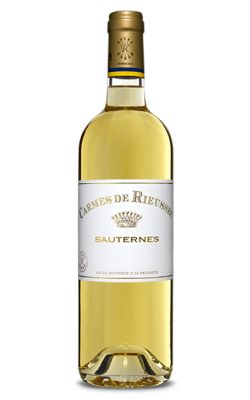
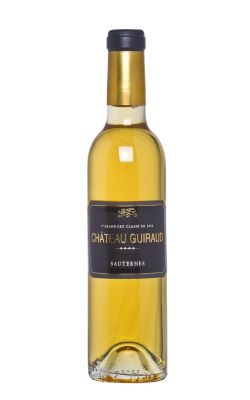
These wines are thought by many to be the best dessert wines in the world. Only one château was listed as a Premier Cru Supérieur [Super First Growth] in the 1855 classification of Sauternes and Barsac - the fabled Château d’Yquem. There are only two further tiers; Premier Cru with 11 châteaux and Deuxième Cru with 14.
Barsac is permitted to use the Sauternes appellation.
Sauternes is a tiny appellation, only 2,000 hectares 25 miles south-east of the city of Bordeaux, in the region of Graves, and just five villages are allowed to make Sauternes – Sauternes itself, Barsac, Bommes, Fargues and Preignac.
The Sauternes appellation is a Maritime climate, like the rest of Bordeaux, but they have this special microclimate there, which is particularly conducive to the development of Botrytis Cynerea, or Noble Rot. This is because of the Ciron River, which is a tributary of the Garonne. The Ciron’s source is a spring, and it has cooler waters than the Garonne – in the autumn, when the weather is warm and dry, the different temperatures from the two rivers meet to produce a morning mist, which is quickly chased away by the hot sun as the day progresses. As a result, fungus develops on the grapes, which brings about an increase in sugar levels and glycerine through the evaporation of the water contained in the fruit. The grapes become partially raisined and this concentrates their flavours.
The Right Bank
The wines of the Right Bank were not included in the 1855 classification. Its soils are more clay and limestone based and because of this, Merlot reigns supreme here, making soft velvety wines. Bordering the Dordogne River, it is significantly further inland, and so feels the maritime influence less. The Libournais encompasses most of the right bank, is the largest wine-producing region of Bordeaux. It has three main appellations -Saint-Émilion, Pomerol and Fronsac.
Saint-Émilion
Saint-Émilion is a huge area – it produces more wine than Listrac, Moulis, St, Estephe, Paulliac, Saint-Julien and Margaux combined.
The clay and chalk rich soils are generally cooler than the Médoc peninsular, and are less capable of ripening Cabernet Sauvignon reliably.
On the whole, the Merlot dominated wines are more approachable at an earlier age than the more astringent Cabernet Sauvignon led wines of the Left Bank.
Although there is much diversity in Saint-Émilion, you can basically divide the soils into three distinct terroirs – the limestone plateau, the slopes closest to the plateau, and the flats. Around the medieval walls of the city itself is the limestone plateau where the top estates are situated. The further west you travel in Saint-Émilion, the more fine-grained sand you encounter, and in the better terroirs, more deposits of iron. On the eastern side the cooler terroirs have more clay.
A little dry white wine is made within the appellation borders, but it must be labelled as Bordeaux Blanc wine.
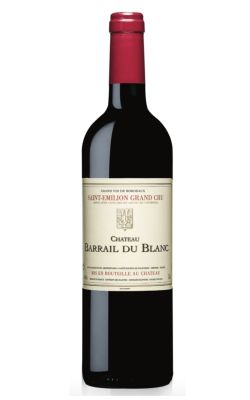
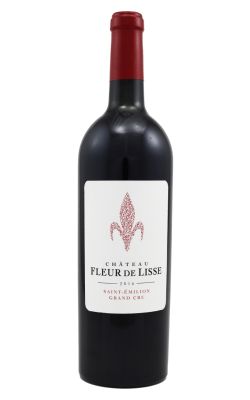
Saint-Émilion has its own classification system which was introduced in 1954, and is updated every 10 years. Unlike the Médoc, this classification is not set in stone and Châteaux can be promoted or demoted. There are three tiers: Premier Grand Cru Classé A, Premier Grand Cru Classé B and Grand Cru Classé. Some producers have opted out of classification to avoid the possibility of declassification.
By appreciating Saint-Émilion wines, you are in good company – Saint-Émilion claims to have the oldest Wine Society in France – the Jurade of Saint-Emilion was formed in 1199!
Pomerol
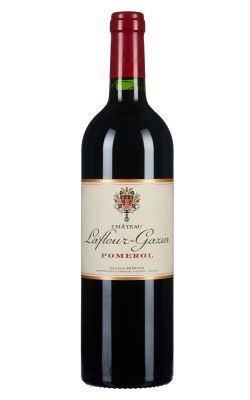
Is the smallest of the Bordeaux fine wine regions and has no formalised classification system, but it is home to the esteemed Le Pin and the legendary Châteaux Petrus!
The soils of Pomerol are composed of a complex mix of gravel, clay, limestone and sand. Clays of various types and colours are prized in Pomerol [Petrus famously has blue clay soils and no other vineyard in the world has the wealth of blue clay that Petrus boasts]. All the most famous estates are located on what is called the Pomerol Plateau – clay soils consist of very small particles, which unlike gravel have the ability to retain water. Merlot prefers the limestone-clay soils and Cabernet Franc the gravelly soils of the region.
Generally speaking, the denser the clay – the richer and more concentrated the wine, and the more gravel based soils usually result in slightly lighter, elegant, fresher and brighter wines. The lightest wines in Pomerol come from sandy soils.
Pomerol AC is for red wine only – unlike Saint-Émilion which is allowed to grow white wine grapes to be sold under the Bordeaux Blanc label, no white grape plantings have been allowed in Pomerol since it achieved its AC in 1963.
Fronsac
This small appellation is situated to the northwest of Pomerol and Saint-Émilion at the confluence of the Isle and Dordogne rivers. The soils are predominately limestone and clay-limestone, but on the slopes and foothills, resting on the underlying limestone there is a special ancient marine-based soil known as molasses clay, which is a mixture of clay, limestone and sand [also found in some of Saint-Émilion's top estates].
The sister appellation of Canon-Fronsac lies at the southwestern tip and both appellations are for red wines only, with Merlot as the dominant grape variety. Because the vineyards of Canon-Fronsac are largely planted on slightly higher elevations on limestone plateaus, they often produce wines with more minerality than Fronsac, which tends to express deeper fruit and firmer tannins.
These often overlooked regions offer good value for money.
Blaye and Côtes de Bourg
Also on the Right Bank, but positioned above where the Garonne and Dordogne Rivers meet, Blaye makes mostly red wines, but a little white and a small amount of rosé and sparkling wine, whilst Bourg makes mostly reds with a tiny amount of white wine. The two areas are separated by the little Rau de Brouillon river.
The soils of Blaye are predominantly clay over limestone, producing appealing fresh, aromatic fruity reds and light, soft whites.
In the Côtes de Bourg where the first vineyards were planted by the Romans, the soils are more varied. Although mostly clay and limestone, in some areas a rich mosaic of soils with gravel and sand also feature, producing roundly textured spice-wrapped fruity reds with a deep colour, and lively, minerally refreshing whites.
These regions also offer good value for money.
Entre-Deux-Mers
Meaning “between two seas”, because it's located between the two rivers that define Bordeaux. The Entre-deux-Mers appellation was created in 1937, solely for white wines. But from 2023 red wines, which were previously labelled as Bordeaux or Bordeaux Supérieur, can now be sold under the Entre-deux-Mers AOC. Although Crémant de Bordeaux can legally be made anywhere throughout the Bordeaux PDO, the Entre-Deux-Mers region is the primary production area, grown on mainly clay-limestone soils. The region also contains the lesser known sweet wine appellations of Cadillac, Loupiac and St. Croix de Mont, which make cheaper, but no less delicious alternatives to Sauternes.
This region makes many reasonably priced wines.
Wine Classifications
Apart from the Grand Cru Classé, Saint-Émilion and Graves classifications, there are also:-
Cru Bourgeois
The Cru Bourgeois classification was originally for wines from the châteaux in the Médoc that were not included in the 1855 classification. But the whole shebang got into such a muddle amongst much controversy amid acrimonious court cases, with accusations of conflicts of interest that the entire Cru Bourgeois category was annulled in 2003. However, it was reintroduced in 2010 with stricter specifications; there are three tiers - Cru Bourgeois, Cru Bourgeois Supérieur and Cru Bourgeois Exceptionnel. These are of course the most prestigious wines of the Cru Bourgeois classification because they are ranked Exceptional!
Unlike the Growth Wines, whose category is virtually set in stone, Cru Bourgeois wines are reviewed every 5 years and any property in the Médoc may apply – so this is a Stamp of Quality that keeps producers on their toes [and you are not so much born a Cru Bourgeois – but become one].
This has lead to some producers withdrawing from the running because the requirements are now so strict – and fear of being demoted is ever-present.
Cru Artisans
A small artisan classification for producers of red wines across the Médoc peninsula. Although the term was authorised to be used on labels in 1994, the description had all but disappeared by the 1930's. But in 1989, a group of producers formed the Syndicat des Cru Artisan du Médoc and began lobbying for recognition to get this long-standing tradition formalised. The name had existed for more than 150 years with its origins dating back to the 19th century when many artisanal workers in the countryside of the Médoc [including carpenters, bakers, saddlers, wheelwrights, blacksmiths and coopers] often owned a few rows of vines and made their own wines; winemaking is a craft in itself, deserving its own classification – the term is derived from the Latin “ars”, meaning art or skill.
To be labelled as a Cru Artisan, the winemaker must be fully involved in every step of the winemaking process, from tending the vines to selling the finished product, which must belong to one of the eight Médoc PDO's and produce exceptional wines. The list is reviewed every five years, which ensures quality and allows others to join.
Regional
A lot of Bordeaux wines are generic and are labelled simply as dry or sweet AOC Red, White or Rosé Bordeaux; Clairet [a wine that is a half-way house between a red and a rosé wine – the generic term claret is thought to be derived from this]; Crémant de Bordeaux [for sparkling wines made in the Traditional Method], and Dry Red or Sweet White Bordeaux Supérieur [can be produced throughout the Bordeaux region but there is stricter vineyard management and grapes must be picked at a greater ripeness and typically come from older vines and lower yields. The reds have a higher minimum alcohol content and must undergo a minimum of 12 months ageing].
The Grapes
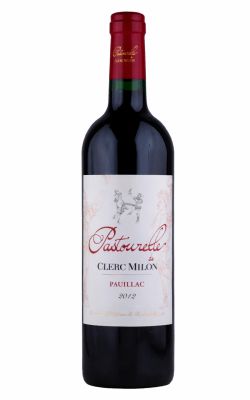
Although it is possible to find single varietal Bordeaux, it's usually a blended wine. Historically five grape varieties were sanctioned for red Bordeaux: Cabernet Sauvignon, Merlot, Cabernet Franc, Malbec, Petit Verdot and Carmènére. Carmènére was thought extinct after Bordeaux's phylloxera epidemic. We think of it now as Chile’s signature red grape variety – but it is in fact a historic Bordeaux grape. Although rarely used in Bordeaux blends today, the fifth growth estate Château Clerc Milon is one of the few to include the variety in its wines.
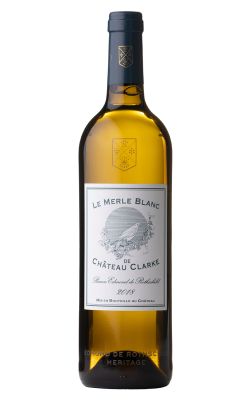
For white Bordeaux, four principal white grape varieties are used: Sémillon, Sauvignon Blanc, Sauvignon Gris and Muscadelle – with 30% able to come from Colombard, Merlot Blanc [a crossing of Merlot and Folle Blanche], Ugni Blanc and Mauzac.
However, rising temperatures have had a huge affect in Bordeaux and in 2018 the authorities started to look at new ways to address climate change; for a region steeped in tradition and strictly regulated genres of wine, this was a revolutionary move. Since the 1950's, temperatures have been gradually rising in Bordeaux and the traditional grape varieties, especially Merlot, were struggling to cope – warmer weather shortens the ripening season and increases the sugars whilst the acidity in the grapes drops, resulting in fruitier wines with more alcohol. This is fine for cheap, easy-drinking wines designed to be drunk young, but for the distinctive balanced, age-worthy style that defines the essence of Bordeaux, changes were necessary to preserve this expression for future generations. Warmer weather also brings the risk of vine diseases.
They looked to Spain and Portugal for solutions; these countries have always produced fine, complex wines in soaring temperatures. The answer is in the grape varieties; thick-skinned grapes ripen more slowly, allowing flavour concentrations to build whilst retaining acidity. So the hunt was on to choose new grape varieties that would keep the structural elements of Bordeaux wine. In January 2021 the INAO [Institut Nacional des Appellations d'Origine] had crystallized the list and the CIVB [Conseil Interprofessionnel du Vin de Bordeaux] made the announcement that six new varieties [four reds and two whites] selected for their resilience against diseases and their ability to grow in warm weather conditions were permitted to be used in Bordeaux and Bordeaux Supérieur wines. Presently they are still only allowed to make up as little as 10% of a blend and only 5% of vineyard plantings.
The Reds
Touriga Nacional - The iconic red grape of the Douro, used both for Port and table wines. This grape thrives in hot, dry conditions and is capable of making high-tannin, full-bodied age-worthy wines.
Marselan - A cross between Grenache and Cabernet Sauvignon, this grape was created in 1961 in Southern France near the town of Marseillan, but is now planted widely in China.
Castets - Historically grown in south-west France, this rare grape was only identified in 1870. Until 2008, there was thought to be less that one hectare in the whole of France. It's resistant to downy mildew and produces darkly coloured wines.
Arinarnoa – Developed by France's INRA [Institut Nacional de la Recherche Agronomique] in 1956, this variety is a cross between Cabernet Sauvignon and Tannat and produces dark, structured wines.
The Whites
Albariño – Spain's Galician variety is known as Alvarinho in Portugal. This high-acid, aromatic grape produces peachy, citrussy whites.
Liliorila - Another rare variety, this is a cross between Chardonnay and Baroque, developed in 1956 by the INRA, like Arinarnoa. This grape is susceptible to noble rot and is therefore greatly suited to the production of botrytized dessert wines.
The Winemaking and The Wine
Crémant de Bordeaux
Made in the same way as Champagne, with second fermentation in bottle; they can be made in dry, demi-sec or sweet styles. Crémant de Bordeaux did not get its appellation until 1990. Typically made from a blend of Cabernet Sauvignon and Merlot, rosé sparklers can include smaller percentages of Cabernet Franc, Malbec, Petit Verdot and occasionally Carmènére. Both assemblage or sagnée may be used to achieve the colour for rosés, which are fruit-forward with flavours of tart red berries.
For whites a blend of Sauvignon Blanc, Sémillon and sometimes Muscadelle are used, but the same red grape varieties used for the rosés wines may also be used, as well as axillary white grapes [Colombard, Merlot Blanc, Ugni Blanc and Sauvignon Gris].
The grapes must be hand-harvested and the wines aged for a minimum of 12 months, with at least 9 months sur lies before disgorgement.
These wines exhibit lemony and green apple aromas and flavours with nuances of white flowers.
Serve well-chilled between 6-8°C in a flute glass.
White Bordeaux
For dry whites the grapes are typically picked earlier to preserve acidity, freshness and vibrancy. Fermentation can take place in stainless steel, concrete, amphorae or oak for added complexity. Malolactic fermentation is optional for whites. Bâtonnage [lees stirring] can be used to achieve a richer, creamier texture. They may be aged for a minimal time in bottle whilst premium age-worthy styles may spend some time in barrel.
Although single varietal Bordeaux wines are available, it's the magic of blending that showcases each grape variety contributing its own particular nuance and unique personality. The blending percentages are never written in stone and each vintage, shaped by weather patterns, may see a slightly different cuvée, tasted and refined accordingly until the winemaker is satisfied with the outcome and has achieved the best expression he can.
Young white Bordeaux exhibit fresh lemon along with the whole spectrum of citrus fruits, as well as green apples, mineral, grassy and herbal notes. As they age, they become richer and more concentrated.
On the whole, Sauvignon Blanc brings lighter and fruitier aromas and flavours and Sémillon, richer and creamier with notes of acacia, hazelnuts and beeswax.
Serve wines with a majority of Sauvignon Blanc between 8-10°C to preserve their crisp acidity and vibrant flavours, and for richer Sémillon dominated wines between 10-12°C. Use a narrower glass with a smaller bowl than you would for red Bordeaux to help preserve the crispness of the wine and the purity of the fruit.
Rosé Bordeaux
A tiny production and a rare find!
Bordeaux rosé is a regional AOC with production covering the entire department of the Gironde. A gentle pressing directly after the harvest with no extended maceration will result in the palest expression of rosé wine - with crisp and bright flavours of red berries and citrus with some floral notes and underlying subtle herbs.
They could also macerate for 1-2 hours giving a more salmon pink hue or undergo sagnée [the bleeding method], which results in wines with a more coral pink colour and deeper fruit flavours.
For the classic Clairet, maceration of 3-4 days is used to achieve the definitive darker colour and fruitier red fruit flavours with very soft tannins.
Ageing takes place in stainless steel or neutral oak barrels.
Typically made from a blend of the Bordeaux red grape varieties, but there are some rare examples of single varietal wines.
Best drunk young, serve between 8-12°C to allow the fruit flavour to shine in the same style glass for white Bordeaux.
Red Bordeaux
Each grape variety is harvested separately, the best châteaux prefer by hand, but machine-picking is also popular. The grapes are rigorously sorted and may or may not be de-stemmed. It's fundamental to extract colour, tannins and flavour compounds from the grape skins and during the first fermentation [the alcoholic fermentation] and winemakers may use remontage [pump-overs] or pigeage [punch-downs] to maximise the effect. Fermentation can take place in stainless steel tanks, concrete or barrels.
The grapes are then pressed followed by the malolactic fermentation, which is indispensable for red wines. The wines are usually racked and clarified before ageing – which can vary from a few months to several years. Ageing can take place in stainless steel or concrete for pure, bright fruity wines designed to be drunk young; amphorae for more expressive vibrant fruit and softer-textured wines, or wood for complex and structured, more ageworthy wines. When the wines have matured for the designated time, the alchemy begins – the blending! Selecting the right blend for the right vintage before bottling is an integral part of the process and each grape variety imparts a different nuance to the finished wine. The wines usually undergo further ageing in bottle before release.
The “grand vin” or “first wines” are the flagship of the châteaux. These complex and age-worthy wines are made from the best grapes from the best plots, representing the highest quality. “Second wines” or “second label” are made from grapes that don't quite make the grade. Made to be more approachable and drunk younger, they are still be of excellent quality and represent superb value for money. In some case there can even be a third wine.
The red wines are typically medium to full-bodied and each cuvée is heavily influenced by the vintage, blend of grapes, plot location, winemaking techniques, and use of oak [percentage of new and used]. Oak lends flavours of vanilla, toast and caramel. But in general the Cabernet Sauvignon dominated wines of the Left Bank are characterised by cassis, black cherries, blackberry, cedar, graphite, spice, tobacco, mint and earthy notes with a powerful structure and firm tannins. They are often austere, more linear and mouth-puckeringly tannic when young, but over time tannins soften with all the elements knitting together, and tertiary aromas and flavours evolve into depths of savouriness with leather, truffles and dried herbs.
The Merlot-driven wines from the Right Bank feature plums, red cherries, spice, chocolate and sometimes floral violets and herbal notes with silky tannins. They are generally softer and more approachable.
Decanting for at least 30 minutes is recommended to open up the aromas and flavours, but if the wine is young and tannic allow 45-90 minutes to help soften that mouth-puckering grip. Very old wines can be served straight away after careful decanting to separate the sediment. Serve between 15-18° C in a Bordeaux style wine glass. Enjoying Bordeaux is a sensory experience and to appreciate its full potential, it is worth investing in the right glass. Bordeaux glasses have a wide bowl to allow for generous swirling, which aerates the wine - softening the tannins. They also have a long stem and are narrower at the rim, which focuses the aromas at the top of the glass and directs the wine to the back of the mouth, which maximises the flavour.
Sweet Bordeaux
Made from botrytized Semillon, Sauvignon Blanc and small amounts of Muscadelle grapes, Sauternes is never cheap because there is a high production cost – it’s extremely labour intensive to make. This is because bunches of grapes do not rot universally, and gangs of pickers have to go through the vineyards several times a day over a few weeks, hand picking the berries with noble rot – so they have to examine each individual grape. It really is painstaking and meticulous work. Furthermore, shrivelled grapes yield only a small amount of juice, and it’s not unusual for an entire vine to produce only enough juice to make a single glass of wine!
These opulent wines are a treasure trove of unctuous aromas and flavours. Expect juicy pears, apricot compote, dried fruits, ripe tropical fruits, candied fruits, honey and notes of butterscotch and gingerbread. These fragrant concentrated wines have deliciously rich and fleshy textures. Of course the wine is sweet, but there is so much incredible racy acidity, that they always feel fresh and never cloying.
Bright straw-yellow in their youth, as they age they become more golden [older wines can evolve into a caramel colour] and develop more aromatic complexities with notes of barley sugar and honeyed depth.
Enjoy slightly chilled between 10-12° C. The best glasses for Sauternes are tulip shaped, with a wide bowl, which enhances the aromas and flavours. They also have a slightly narrower rim, which directs the golden nectar to the tip of the tongue, emphasising the acidity whilst balancing out the sweetness.
With Food
Bordeaux is extremely versatile with food as there are so many styles, which all have great acidity. It is therefore possible to plan a whole wine-matched dinner from the sparkling aperitif through to the cheese and dessert with a wine to compliment each course.
Crémant de Bordeaux
These make wonderful aperitifs and a pocket-friendly alternative to Champagne. Like any dry sparkling wine they are terrific with salty and cheesy canapés. Also good with delicate white fish and seafood and soft, creamy goat's cheese. The rosés are great with charcuterie and prawns. Both white and rosé Crémants are superb for sparkling wine cocktails.
White Bordeaux
The white wines of Bordeaux that are crisp Sauvignon Blanc dominant have a grassy, herbal and citrus profile. They pair nicely with foods that mirror these flavours – think lemon and fresh green herbs.
Bordeaux white wines are terrific with asparagus and the flavours of avocado, lime, garlic and basil.
White fish in a beurre blanc sauce, sushi, crab and tangy goats cheese are also good matches and oysters are an iconic paring
Whites with a greater percentage of Sémillon and oak-aged wines are richer in flavour and texture – these are fabulous with roast chicken and suit creamy dishes, richer white fish like turbot and halibut and seafood like lobster and scallops.
Rosé Bordeaux
Still Bordeaux rosé wines have a depth and complexity that pairs well with many foods. They make a lovely aperitif and are also a treat with charcuterie, salads, ratatouille, soft cheeses, prawns and salmon.
Red Bordeaux
Left Bank Cabernet Sauvignon dominated wines are powerfully structured with firmer tannins. Tannins are softened by fat, they interact with the proteins found in meat, intensifying its flavour. Steak is a classic match, and other beef dishes are winners too, along with lamb, venison and juicy burgers.
The Right Bank Merlot-driven wines on the other hand are softer and rounder. They are good with duck [especially with cherry or plum fruit sauces], goose and pork.
The rich and savoury umaminess of mushrooms and truffles work well with the earthiness of red Bordeaux.
Dishes featuring lentils, beans, chestnuts and herby roasted vegetables are also brilliant matches and a glass of red Bordeaux with aged cheeses is a lovely way to round off an evening.
Sweet Bordeaux
The sweet wines of Sauternes and the Entre-Deux-Mers region are superb with anything lemony [like Tarte au Citron], creamy [like Crème brûlée], and the flavours of honey, peach, apricot and marmalade. Almond is also a winner - Les Macarons of Saint Emilion [the original macaron actually comes from Saint-Émilion] has been produced since 1620 when the Ursuline sisters established a convent there. Made from just three ingredients – almonds, egg whites and sugar, the recipe has been passed down through the generations and hasn't changed at all since its inception.
The French drink Sauternes with chicken and fish like turbot and sole, seafood like scallops and lobster, and of course it's magic with Foie Gras and fabulous with blue cheeses [especially really salty ones like Roquefort].
It may seem like a strange combination, but the flavours in these liquid gold wines really do complement many of the flavours found in Asian cuisines [particularly Thai and Chinese] like ginger, lemongrass and Chinese-five spice powder. This is because the flavours in the foods match the spice undertones of the wine – be adventures and give it a try!
Conclusion
Bordeaux is considered one of the most collectable regions in the world; these wines can age for decades.
It's a myth that Bordeaux wine is expensive. Of course, the First Growths and wines with high profile names from the illustrious appellations of the Médoc, Saint-Émilion and Graves carry a hefty price tag. However, there are plenty of pocket-friendly choices and it’s in the lesser-known areas where more approachable wines and bargains can be found.
But what does the future hold for Bordeaux? Bordeaux is experiencing a crisis as exports are dropping and the younger generation are drinking less. In fact France's wine consumption has decreased in general. A flatlining Chinese economy has also had an affect on exports as has higher import taxes in many countries. Although overproduction is a problem in other parts of France, it's keenly felt in Bordeaux where the production of red wine is more than 85% and it's red wine where sales have slumped. So what is Bordeaux doing to address these problems?
The government is offering growers generous financial incentives to dig up vines and plant grain or other crops and thousands of vineyards have been uprooted so far.
And introducing new grape varieties is not the only innovation that Bordeaux has initiated – some other new changes have been given the go-ahead!
They have introduced Claret as a new classification from the 2025 vintage [as opposed to Clairet which is a light red or intense rosé]. Claret has been used as a generic term for all Bordeaux red wines. But there is a recognition that drinking trends are changing and there is a younger generation who are more interested in light and fresh red wines. These new category Claret wines are fruit-forward with a clearer colour, lower tannin, no oak influence and can be chilled.
There is an increasing demand from consumers for white wines. Although the production of white wine in the Médoc is tiny compared to its red output, from the 2025 vintage the new appellation of Médoc Blanc may be used on labels rather than the generic Bordeaux Blanc. This Sauvignon Blanc dominated wine comes from cooler limestone soils across the eight Médoc appellations. But producers are quick to jump on the band wagon and some have grafted Chardonnay, Viognier and Chenin Blanc onto Merlot rootstocks with the aim of including them in their white blends. However, as these varieties do not presently comply with the White Médoc appellation rules, these wines are labelled as Vin de France.
This trend has been taken up on the Right Bank, where some producers have also grafted Chenin Blanc onto Merlot rootstocks.
So, blending has always been the signature of Bordeaux, an art honed over the centuries. This art, this signature, continues to evolve and change with the times; the Bordelais are at a crossroads, but they appear to be taking the right path, managing to balance tradition with innovation – watch this space!
Buy Bordeaux wine below.
Wine Quick Filter
Price
Selected filters

Showing 51 to 100 of 190 total products (4 Pages)