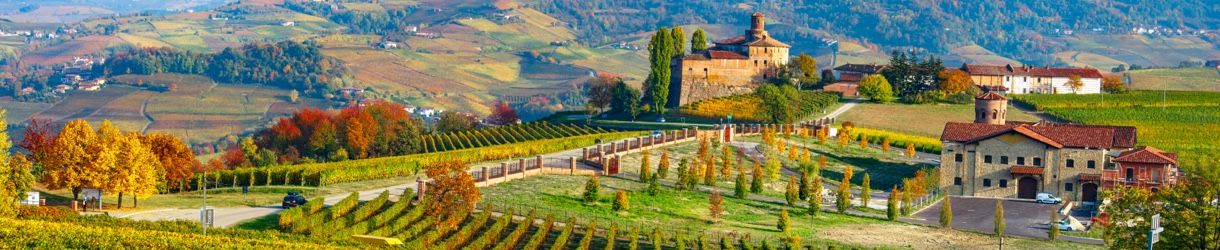
Barolo is one of Italy's greatest and most prestigious wines. Prized globally, and often referred to as the “King of Wines and the Wine of Kings”. These alluring wines have real charisma!
The Region
Barolo is a landlocked region nestled within the Langhe hills in the heart of Piedmont in the north-west of Italy, bordering France and the Valle d'Aosta to the west, Switzerland to the north, Lombardy to the east and Liguria to the south, with the Alps forming an arc around it on three sides – Piedmont derives its name from the French “foot of the mountain”. This is an area of rich cultural heritage, characterized by a dramatic landscape of rolling hills with meandering roads through a breathtaking scenery of terraced vineyards, charming hilltop villages and historic medieval castles. The Langhe hills are a region of exceptional beauty – they became a UNESCO World Heritage Site in 2014.
The area was defined in 1933, and there are 11 communes that make up the Barolo zone which all lie in the province of Cuneo, south-west of Alba.
In general the Barolo region can be divided into two valleys, with the Serralunga Valley to the east and the Central Valley to the west.
The small village of Barolo in the heart of the region gives its name to the appellation.
The other communes are La Morra [the most widely planted and most productive zone], Serralunga d'Alba, Castiglione Falletto, Monforte d'Alba, Novello, Verduno, Grinzane Cavour, Roddi, Cherasco and Diano d'Alba.
Planted at varying elevations between 200 and 480 metres above sea level, there are just 2,000 hectares under vine in total, yet this small region produces some of the most desirable wines in the world.
The climate is continental with a notable diurnal range. The protection afforded by the Alps, and the long, sweeping Langhe hills contribute to creating a unique microclimate, which is also tempered by the Tanaro river which runs through the heart of the Barolo region, Although Piedmont is landlocked, the Ligurian Sea [an arm of the Mediterranean between Italy and Corsica] also lends a maritime influence.
The soils vary across the zones with deposits of clay throughout the Barolo zone, and although vineyards can have atypical soils, there are largely two major soil types; Tortonian and Helvetian.
Tortonian soils are younger, more compact and fertile grey-bluish calcareous Sant'Agata fossil marls, rich in magnesium and manganese, found to the west [Barolo, la Morra, Verduno, Novello, Cherasco and Roddi]. Richer soils produce a more vigorous growth, resulting in more elegant and aromatic wines, soft and fruity with fragrant aromas and a silky texture – these age and open up more quickly, so are approachable earlier.
Helvetian soils are older, poorer and less compact [also known as Serravallian, after the village of Serravalle in the Barolo appellation] These mainly limestone and beige sandstone-based soils, rich in iron, are found to the east [Serralunga d'Alba, Monforte d'Alba, Diano d'Alba and Grinzane Cavour]. Poorer soils put more stress on the vines, producing smaller grapes with thicker skins and therefore a higher tannin content, leading to powerful, structured and intense wines with great depth - these robust, earthy and austere wines can take up to 15 years to mature.
Castiglione Falletto, situated on a spur between the two valleys occupies the middle ground benefiting from both soil types, and consequently tends to produces wines that are both structured and aromatically elegant.
The Grape
Barolo can only be made from one grape variety – the enigmatic Nebbiolo which is believed to be indigenous to Piedmont. Winemaking in the region dates back to Roman times and Pliny the Elder refers to a grape called Nubiola in 909, a wine known as nibiol is mentioned in 1268, and the first Nebbiolo vineyards were documented in the Roero hills [just a few miles north-west of the Barolo region separated by the Tanaro river] in 1303 and the Langhe in 1304. By the 15th century the grape was held in such high regard that laws were passed in the the region of La Morra outlining the penalties for cutting down a Nebbiolo vine, which varied from a heavy fine to having the right hand cut off, and you could be hanged for repeat offences!
It wasn't until the 18th century that Nebbiolo came to to be known outside of Piedmont, championed by the British who, due to conflicts with the French, were trying to find an alternative choice to Bordeaux wine. Phylloxera decimated the Nebbiolo vineyards during the late-1800's and following the epidemic some produces replanted in favour of different grape varieties, accounting for the tiny hectarage Barolo occupies today.
Nebbiolo is thought to derive its name from the Italian world for fog “nebbia” [nebia in the Piedmontese dialect and nebula in Latin]. In Piedmont Nebbiolo is one of the first varieties to bud, but the last to ripen, so it has a long growing season and in the autumn, an enveloping fog floats over the vineyards when the grapes are harvested in late October. Additionally, when the grapes reach maturity, they become veiled in a glaucous, powdery bloom reminiscent of fog. Nebbiolo means “little foggy one”.
Nebbiolo is a thin-skinned grape yet tannin-rich and high in acidity. It makes dry wines that are light in colour and lack opacity. The wines are very tannic and well-suited to long ageing.
Growing regulations are extremely strict; planting on valley floors, humid, flat, direct northern exposures and areas that do not receive enough sunlight are all excluded.
Three clones of Nebbiolo are authorised for the making of Barolo wines; Lampia, Michet and Rosé.
The History
Barolo has a fascinating history; its origins are a mystery but initially it was a rustic sweet or semi-sweet, often sparkling wine [when Thomas Jefferson a great wine lover who was later to become the third president of the United States passed through Piedmont in 1787, he sampled Nebbiolo and described it as “as sweet as the silky Madeira, as astringent on the palate as Bordeaux, and as brisk as Champagne”. The sweetness is attributed to the fact that as the grapes were picked so late in the season the temperature in the region would be cold enough to arrest the fermentation, leaving a notable amount of residual sugar in the wine. Historically glass carboys [demijohns] were used to mature the wine and it was sold in casks for shippers to bottle themselves.
Camillo Benso, the Count of Cavour [a leading figure in the Italian Risorgimento who played a key role in the unification of Italy under the House of Savoy, and became the first Prime Minister of the united Italy] was fanatical about farming; he founded the Piedmont Agricultural Society. Between 1836 and 1841 he appointed General Paolo Francesco Staglieno to be his oenologist at his estate in Grinzane. The remit was to produce quality wines that could age and were stable enough to be exported. Staglieno fermented the wines to dryness and this procedure became known as “the Staglieno method”.
The Royal House of Savoy who went on to become the monarchs of a unified Italy, loved this new style of dry red wine and it became THE wine of the court; the seal of approval from the nobility helped to establish Barolo as a world-class wine and it began to reach noble tables throughout Europe, giving rise to Barolo's royal moniker as the “Wine of Kings and the King of Wines”. Barolo was also the wine used to toast Italy's unification as a sovereign state in 1861!
The Marchesa di Barolo also played a pivotal role in shaping the future of Barolo wines. Juliette Colbert was a French noblewoman who married Carlo Tancredi Falletti, the Marquis di Barolo in 1806. The Marquis had an estate in Barolo, and Juliette who knew French wines well, was instrumental in the wine production. Drawing on her knowledge of French winemaking she created semi-underground cellars and also worked with Staglieno to produce dry, aromatic wines. Apparently, when King Carlo Alberto asked if he could sample her “famous wines”, she sent him 325 casks, each with a 500 litre capacity – one for every day of the year excluding the 40 days of lent, and reportedly each cask was individually transported on an ox cart!
Glass bottles were introduced in 1844 and it was around this time that the name Barolo first started to appear on labels.
Following the First World War Barolo was dominated by négociants, who bought grapes across the region and blended them to make a standard wine, but in the 1960's individual owners began to estate bottle and produce single-vineyard wines from their own properties.
By the 1970's many young people who may have inherited the family vineyards started to move away from the countryside to take up factory jobs in the cities; the ones who stayed wanted to change things. They wanted to steer away from the traditional winemaking methods to make Barolo a more modern wine that was approachable earlier, so that you didn't have to wait a decade or so to enjoy it.
The dispute between the traditionalists and the modernists has been a contentious issue, resulting in what is known as the “Barolo Wars”, with the rebel “Barolo Boys” revolutionizing the world of Barolo wine! Some of their innovations shocked their forebears – like green harvesting. Barolo was historically a poor area and the idea of sacrificing 50% of your grapes to leave rotting on the floor seemed sacrilege!
In 1966 Barolo was granted DOC status, and in the same year its brilliance was cemented when Cannubi was the first Barolo to be awarded 100 points from Robert Parker. 1980 saw Barolo achieve the prestigious DOCG; one of the first Italian wine regions to to be granted this accolade. In the late 20th century Luigi Veronelli, an Italian food and wine journalist realised and pointed out the potential of terroir and the differences between vineyards, arguing for a proper set of rules like the AOC system in France. It would not be until 2010 that it was officially recognised that there can be a significant difference between soils, altitudes, exposures and even between adjacent hillsides, and the MGA system was introduced - akin to a Cru.
This acronym stands for Menzioni Geografiche Aggiuntive or Additional Geographical Mentions.
181 specific wine growing areas within the defined Barolo DOCG were codified and can be added to the label. These smaller subzones are distinguished by unique soil and climate characteristics which imbue the wines with a distinctive character and enables a more detailed understanding of the nuances associated with the terroir and the origin of the wine.
Famous crus include the illustrious Cannubi which was documented in 1751, and Bricco delle Viole, the highest vineyard in the region [Barolo]; Lazzarito, Vigna Rionda, Cerretta, and Francia [Serralunga d'Alba]; Monvigliero [Verduno]; Monprivato [Castiglione Falletto]; Bussia [Monforte d'Alba]; Rocche dell'Anziata [la Morra] and Brunate [between Barolo and La Morra].
The Winemaking
Hand-picking is required in most estates owing to the steepness of the hillsides, which can reach angles up to 55 degrees. The delicacy of the grape skins and choosing the healthiest, fully-ripe fruit are also factors.
Barolo is made in two styles – Traditional and Modern.
Traditional winemakers employ long macerations of 30 or more days with regular pigeage [punching down the cap] and little other intervention, preferring a slow, natural fermentation. Ageing takes place in large Slavonian oak botti. These wines need longer maturation to reach their full potential.
The modern school of thought began in the 1970-1980's with the “Barolo Boys” who wanted to make Barolo a wine that could be enjoyed on release. These new boys on the block shunned the large botti in favour of experimenting with smaller French oak barriques. The modern style uses shorter macerations of typically around 10-15 days, followed by temperature controlled fermentation using rotofermentors and malolactic fermentation. These methods create fruit-forward wines that are more approachable when young.
The minimum ABV for both styles is 13%, but it's often higher.
The traditional bottle format is Burgundy style with cork closures that customarily bear the producer's family crest or coat of arms.
The Wine
The intricate network of communes with their mosaic of soils and differences between elevations and exposures make for some distinctive wines; Nebbiolo is a very terroir expressive grape.
As each village has its own unique microclimates and soils, there is no one style of Barolo - each has its own distinctive character and embodies a diverse spectrum of expressions of Nebbiolo, making differences evident from commune to commune.
The fact that Barolos are full-bodied wines can come as quite a surprise to first time consumers, because their colour is so light [they could easily be mistaken for Pinot Noir in the glass] but their flavours are so intense, and with Barolo looks really do deceive; an “iron fist in a velvet glove” is an apt description!
The wines must be aged for a minimum of 36 months following the harvest before release, and 18 months of this must be in wood.
To be called a Riserva the wines must be aged for a minimum of five years.
The wines are high in both acidity and tannin, giving Barolo the ability to age for decades; it can easily span 30-40 years in top vintages [a 1858 vintage holds the record for the oldest drinkable Barolo, which was was still showing well in the 1990's].
Barolos are bone-dry, seriously structured with rather a chewy texture, and they are never opaque.
Aromas of tar and roses are the classic description, but the nose and palate offer multiple layers of aromas and flavours; Barolo is a real multi-sensory experience!
Oak influence comes from wines aged in barriques and it depends on the percentage of new oak and the toasting what notes of vanilla, cedar, smoke and toast are imparted. Old botti are neutral.
To appreciate Barolo's full potential it needs decanting. 1-4 hours [at least one hour] breathing time is essential for younger wines less than 10 years old to break down the formidable tannins and give the muted aromas a time to open up and integrate. 1-2 hours for older wines up to 20 years old, and be aware that sediment may have developed over time, so stand the bottle upright for 24 hours to allow any residue to settle, and be mindful when pouring the wine into the decanter to avoid clouding. Be careful with very old vintages as they are fragile and susceptible to oxidisation. They can fad quickly so taste after 30 mins to see how the wine has developed.
Serve at around 18° [too hot are too cool and really have an affect on the taste] in large-bowled glasses so you can give the wine a vigorous swirl, helping to open up the aromatics.
Young Barolo 0-5 years
Luminous light garnet to ruby-red in colour with orange reflections.
Tannins are harsh and mouth-puckering, so patience does reward.
Aromas of floral rose petals and violets, tar, vibrant primary red fruit notes of cherries, raspberries, redcurrants and pomegranates with hints of white pepper and cinnamon, anise and clove spice, which come through on the palate.
Older Barolo 10-15 years
The vibrant colour evolves to brick-red-orange with a browning rim.
Tannins become smoother as the wine matures and an extraordinary depth and richness develops as the fresh fruit evolves to a more delicate cornucopia of mellow red fruits, with leather, tobacco, dried herbs, licorice, orange peel, chocolate, dried fruits featuring figs, prunes and dates and savoury umami notes of truffles and porcini mushrooms could all feature.
With older Barolos with over 20 years of age the complexities develop further, and you may find deeper truffle and mushroom, with meaty and gamey nuances.
With Food
Barolos are real gastronomic wines; their high tannins and acidity make them wonderfully compatible with protein and fat because acidity cuts through fat and balances out the tannins, whilst the tannins themselves compliment protein, making them great with steaks, lamb and duck.
The cuisine of northern Italy is a natural pairing - osso buco, brasato al Barolo, game birds and meats [especially wild boar] and porcini mushroom and truffle risottos. In fact Barolo is superb with the rich umami flavours of mushrooms and truffles, going hand in hand with these earthy flavours - Piedmonte is renowned for its truffles, especially the white Alba truffle.
Robust and deeply savoury dishes, hearty, herby stews and meaty, tomatoey ragùs pair well. The strong flavours of offal like liver and kidneys are also good choices, as are aged and pungent cheeses – it can even stand up to blue cheese! And a plate of charcuterie is divine.
It is not advisable to pair Barolo with delicate dishes like subtle fish or seafood, as it will completely overwhelm them.
Queen Margherita of Savoy was also a Barolo enthusiast - it's a great accompaniment to the pizza that is named after her!
Barolos also a fabulous meditation wines.
Conclusion
These days the historic opposition between the traditionalists and the modernists is largely a thing of the past with old school traditionalists sitting happily alongside the modernists; no one side really won the war!
So there is less emphasis on traditional and modern styles of Barolo, and it's more about the idea of quality being closely linked to the vineyard and emphasising terroir expression to achieve a balance between structure and elegance. The creation of the MGA system is demonstrating how winemaking can really showcase the enigma that is Barolo wine.
However, nothing is black or white. Some producers are still staunchly traditional, some remain in the modern camp and some sit in-between opting to produce something in the middle combining both traditional and modern methods using both large botti and smaller barriques. And some top estates have returned to using large old neutral botti to allow the purity of the fruit and terroir to take centre stage.
Climate change has had an impact with grapes achieving full ripeness earlier, resulting in softer acidity, smoother tannins and fuller aromas. Therefore harvests are becoming earlier and Nebbiolo is ripening fully at higher sites; where vines previously struggled to ripen this is no longer such a problem.
Warmer weather could also mean alcohol creep. Producers are addressing this with careful canopy management and planting at higher elevations and on sites that were once deemed marginal. It remains prohibited to plant on fully northern exposures, but this is happening in anticipation of DOCG changes in the future.
Producers are always on the look out for innovation, which has lead to the rosé clone of Nebbiolo gaining more interest. It makes lighter and paler, more floral and delicate wines, and some producers are opting to make a rare Borolo from 100% rosé.
Barolo is one of the world's most prestigious and collectible wines and it is a sort after wine investment. But Barolo's tiny production area and long ageing requirements, in addition to its appeal to collectors result in a wine that is never cheap. Indeed, Barolo can be very pricey, but in general, the longer the wine ages the more expensive it is, and single-vineyard wines are more costly. For their premium wines, some producers hand select each individual berry and de-stem them manually – these are the pinnacle of Barolo wines and naturally require a deep pocket!
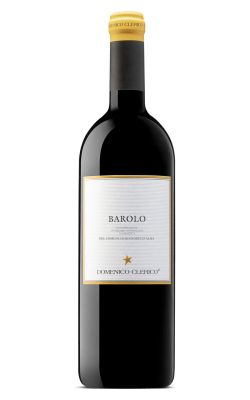
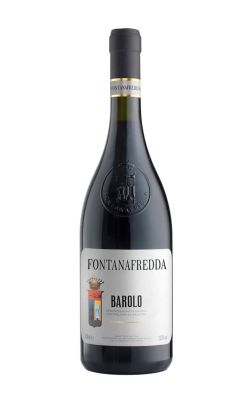
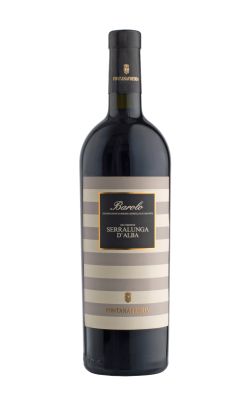
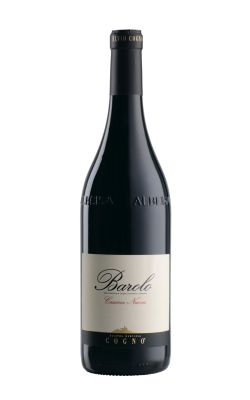
But there are lots of affordable options and we have many choices from this celebrated region.
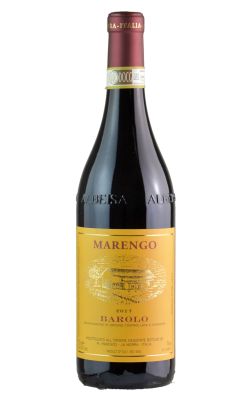
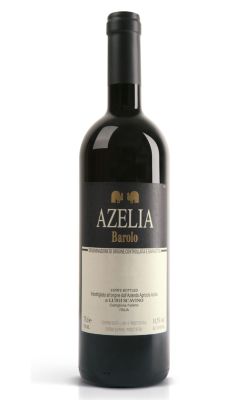
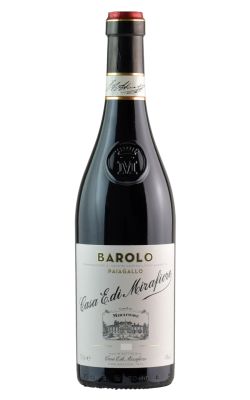
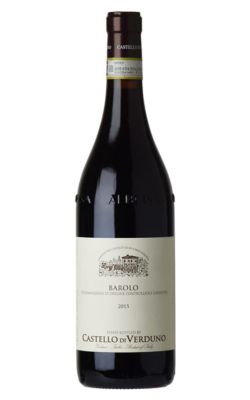
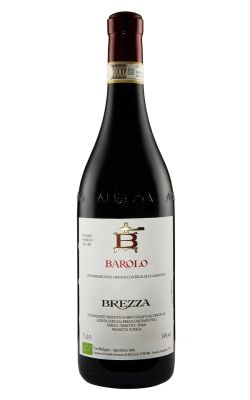
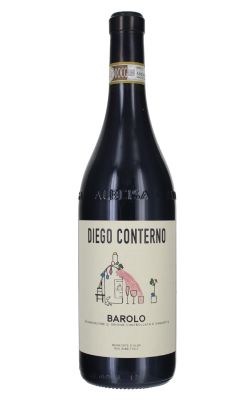
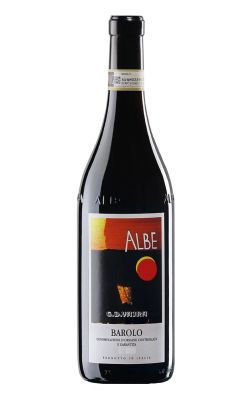
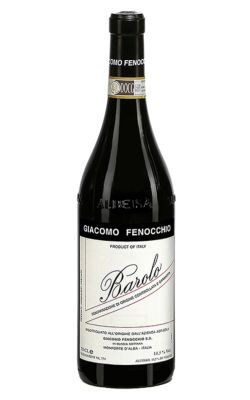
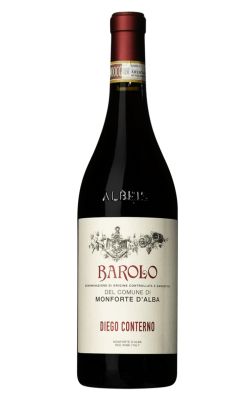
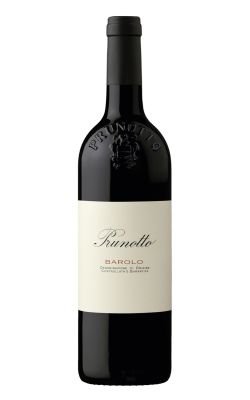
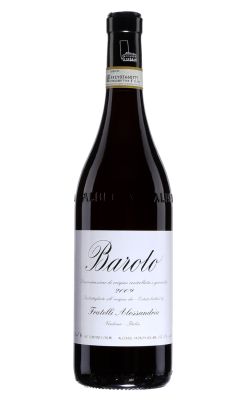
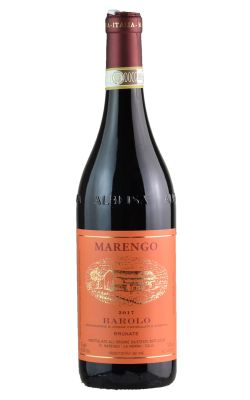
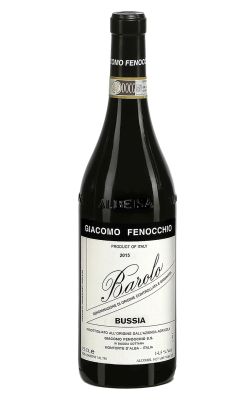
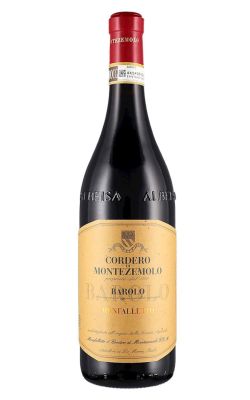
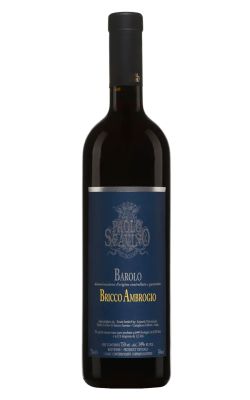
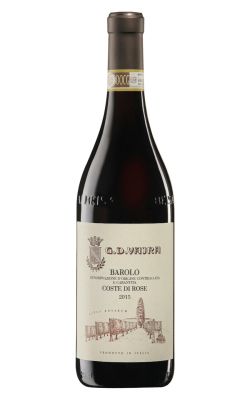
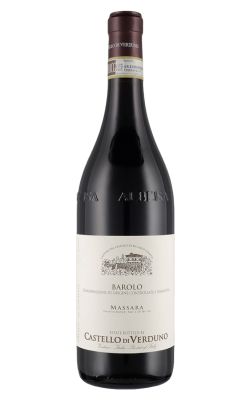
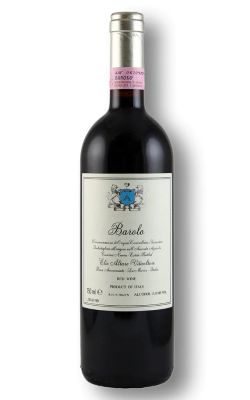
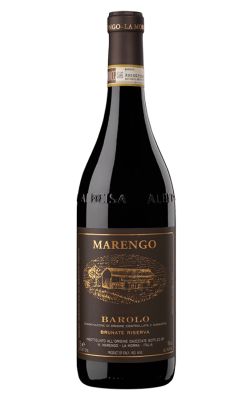
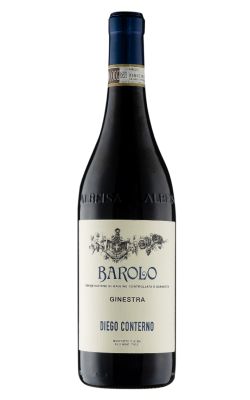
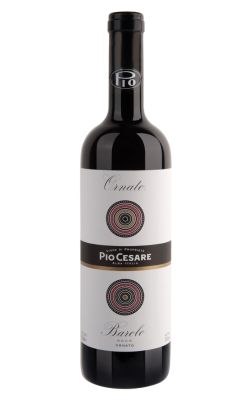
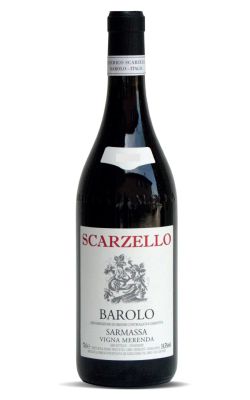
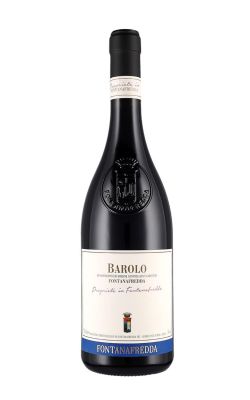
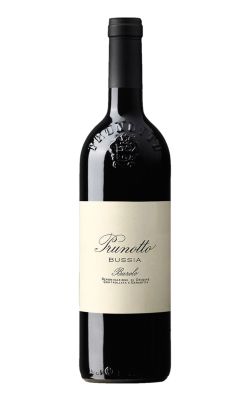
Buy Barolo wine below.
Wine Quick Filter
Price
Selected filters

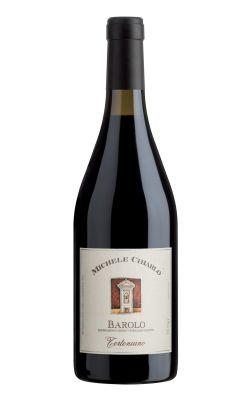
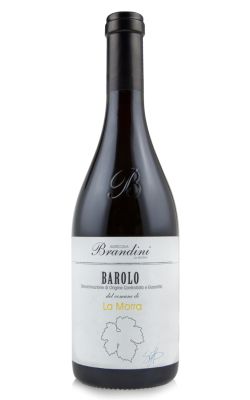
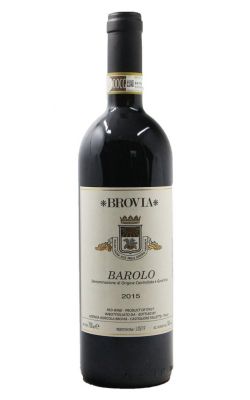
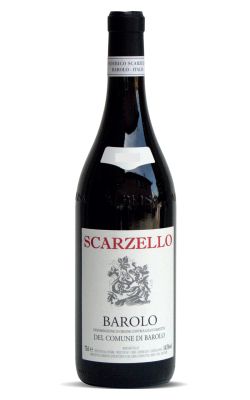
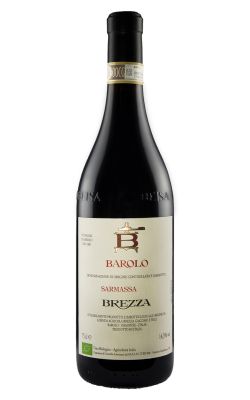
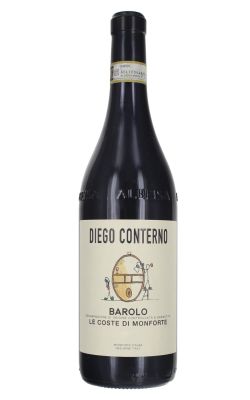
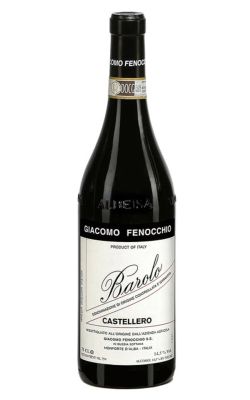
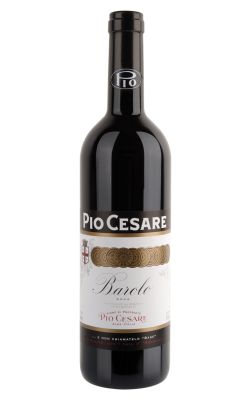
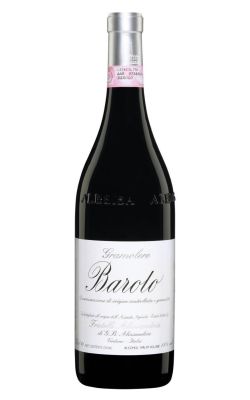
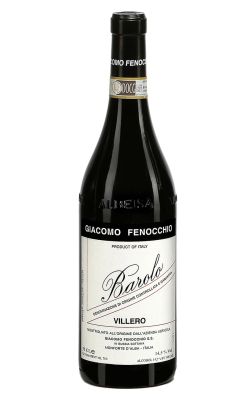
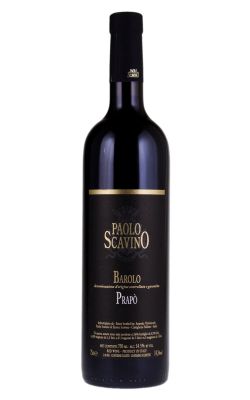
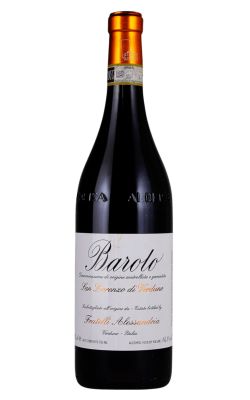
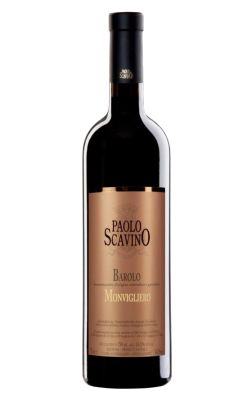
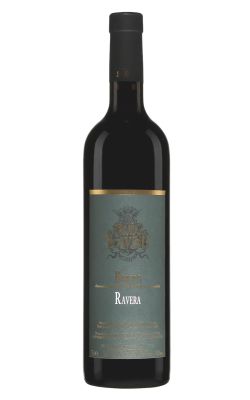
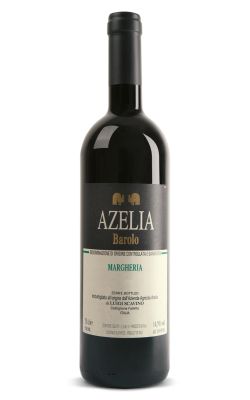
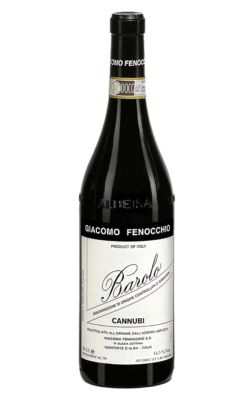
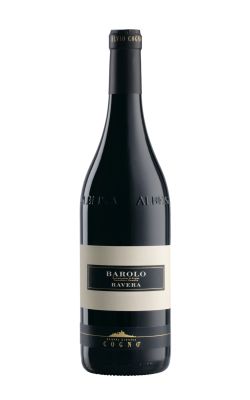
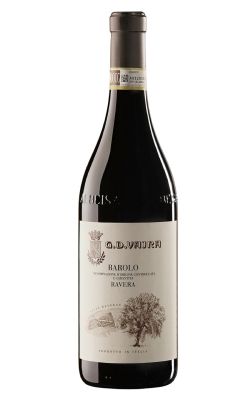
Showing 1 to 50 of 87 total products (2 Pages)