
Dessert Wines
Dessert wines can be still or sparkling, red, white, rosé or even orange! There are an astonishing array of sweet pudding wines available, but remember that with desserts, the wine should be at least as sweet, or sweeter than the food you are serving it with, otherwise you run the risk of the wine tasting tart and bitter. Also remember to serve the wine chilled [ideally between 45-55° F/7-10°C. This balances the acidity in the wine and enhances its sweetness], except in the case of Red Dessert Wines, Port, Madeira and Marsala - slightly chilled will do nicely here. Because of their richness, it's best to serve dessert wines in small tulip-shaped glasses that taper at the top. These concentrate the aromas and direct the wine to the centre of your palate, preventing your whole mouth from being coated in excessive sweetness.
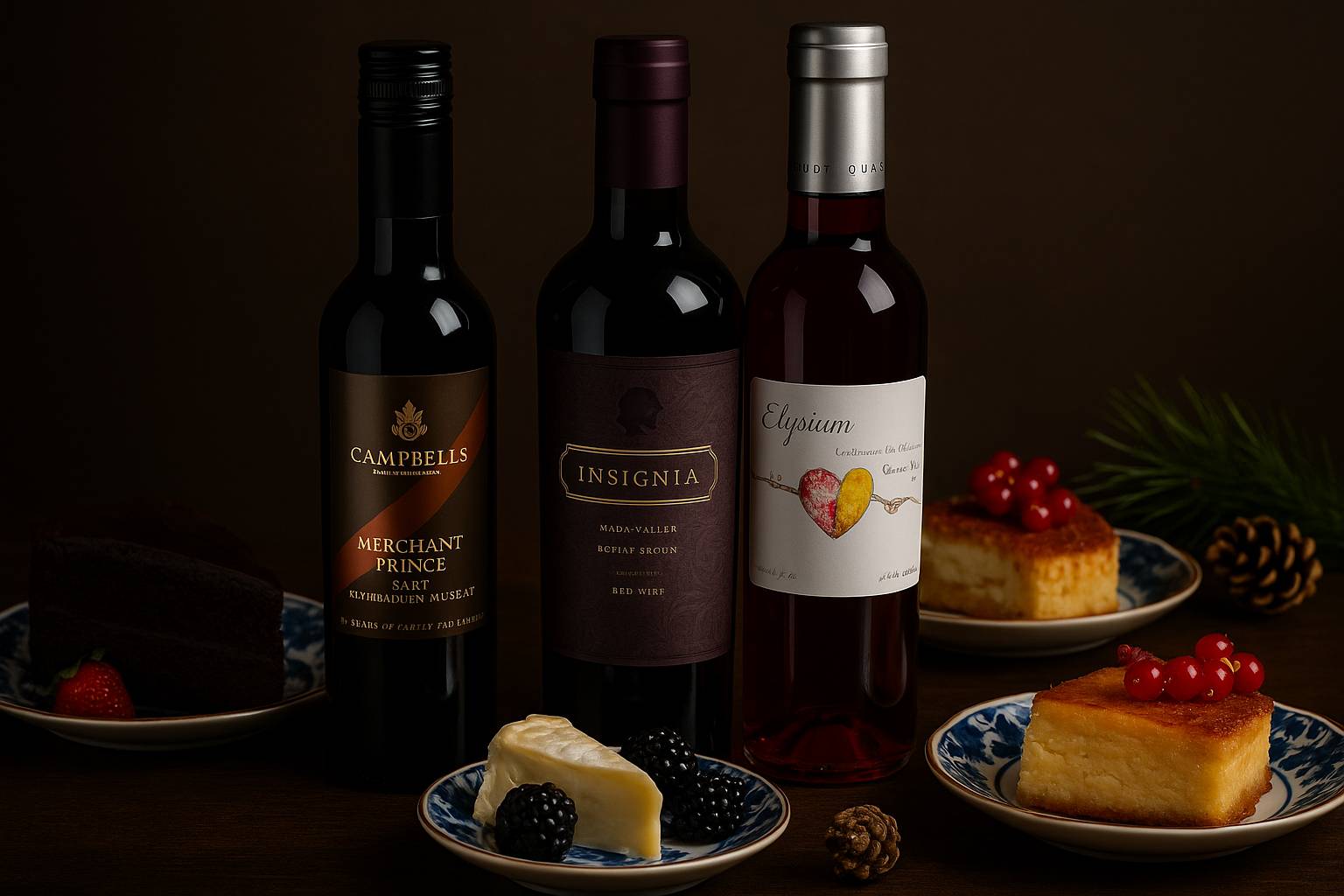
And really do think about serving your desserts Continental style after the cheese course if you're having one, so that your palate doesn't become confused by travelling from savoury to sweet and back again to savoury.
Dessert wines are an indulgent treat to end your meal and the right choice can elevate your dining experience, enhancing both the dessert and the wine. As always it's about balance. You want to avoid serving a wine that overpowers the dessert, so the lighter and more delicate the dessert, the lighter your wine choice in terms of sweetness and body - and the richer and denser, the more intensely sweet, luscious and full-bodied you can go with the wine. Dessert wines can range from lightly sweet to lusciously opulent - Tokaji Essencia is the sweetest dessert wine in the world; it's so concentrated that its traditionally served from specially made crystal spoons!
Sometimes a glass of Vin Santo to dip biscotti and cantucci biscuits in is enough, and if you're too full up or don't fancy a dessert, but want something sweet to end your meal, then a single glass of dessert wine can satisfy this desire - they are liquid heaven!
Creamy Desserts
The rich velvety textures of desserts like Crème brûleé, Crema Catalana, Pana cotta, cheesecakes or any smooth and creamy, vanilla and custardy confection needs a sweet wine with high acidity to cut through the richness and balance the creaminess. These indulgent desserts go beautifully with wines with honey nuances, like golden Sauternes and Barsac. Sweet wines from Sauternes' satellite appellations are a more reasonable option; look for Monbazillac from the Bergerac region, and Cadillac, Sainte-Croix-du-Mont, and Loupiac from within the Entre-Deux-Mers region.
And there are plenty of other options. The sweet wines from the Loire like Coteaux du Layon, Quarts de Chaume and Bonnezeaux; sweet Jurançon; botrytised stickies from Australia and New Zealand, sweet Muscats; Hungarian Tokaji; German Beerenauslese; Trockenbeerenauslese, or Eiswien - Canada make some wonderful Ice Wines too. The choice of these honeyed unctuous wines is almost endless!
Fruit
What you want here are fragrant wines with good acidity to match the natural acids in the fruit, but don’t mask the freshness of the fruit. Try a a late harvest Riesling, or Gewürztraminer.
For people who don’t care for sweet wine, a light fruity rosé could fit the bill. Try also a Demi Sec Champagne or Italy’s Asti Spumante or Moscato d'Asti, which are light and refreshing, low in alcohol and much under-rated - their floral undertones and vibrant character are a delightful pairing with fresh fruit desserts!
Sticking with sparkling wines, extra dry Proseccos [confusingly sweeter than brut], with their delicate fruit and citrus characteristics are a good option with fruit tarts and merengue based desserts like pavlova.
Let's consider some types for fruit separately.
Apples and Pears
Anything with apples goes brilliantly with dessert wines made from Chenin Blanc, as this grape variety has intrinsic appley flavours. Apple and pear desserts also pair well with sweet Rieslings, as this grapes profile has orchard fruit flavours. Alsace Pinot Gris has pear nuances, so try a decadent Alsatian Pinot Gris Vendanges Tardives or Sélection de Grains Nobles with any pear dessert.
Lemon
Any of the Sauternes style wines, sweet Rieslings or Eiswiens/Ice Wines are a good match because the sharper the lemon, the sweeter the wine can be. Don’t worry about dessert wines tasting too sweet - if the wine has good acidity, it will never be cloying.
Apricots and Peaches
It's Sauternes again or Tokaji with it apricot and peach characteristics which echo the flavours of these stone fruits. Sweet Rieslings are another good option. For something different try a Straw Wine, especially with apricots - apart from France, South Africa have some gorgeous examples.
Red Berries
Sweet and juicy strawberries, and tarter raspberries epitomise summer. Muscat-de-Beaumes-de-Venise from the Rhône are good with red berry desserts, as are rosé extra dry Proseccos. For something different try a Late harvest Torrontés from Argentina. With Summer pudding try Elysium - a delectable Californian red dessert wine made from Black Muscat.
And of course - the effervescence and acidity of Champagne is a classic with chocolate-covered strawberries!
Dark Berries and Fruit
Red/black plums, blackberries, blackcurrants and blueberries have earthy flavours with an underlying tartness combined with sweetness - late harvest Malbec, Banyuls, Maury or red Rivesaltes with their rich dark berry flavours often work better than white dessert wines here.
Cherries
These small stone fruits are sweet and slightly tart. Black cherries have a more intense and sweeter flavour than red, but both go beautifully with Recioto della Valpolicella from the Veneto region of Northeast Italy - they're fabulous with cherry-based desserts!
Bananas
Creamy-textured, slightly sweet and rather bland, bananas are the most consumed fruit in the world
Sauternes, late harvest Rieslings [apart from Germany, South Africa have some good examples too], Muscat-de-Beaumes-de-Venise and Loire Chenins are all good options.
Pineapple
Sweet and tangy, juicy pineapples goes well with Sauternes and other dessert wines with tropical and honey profiles. Try an ultra-sweet Eiswein/Ice Wine from Germany or Canada respectively - there is even one from China! Vendanges Tardives or Sélection de Grains Nobles made from Gewürztraminer are wonderful because of the grapes tropical fruit profile.
Oranges
Can be difficult to pair, but try sweet wines with marmalade nuances - so botrytised wines are you friend here; Tokaji, with its orange nuances is a good option. Or California's Essencia - this is the sister wine to Elysium, made from Orange Muscat.
Mango
Exotic mangos, with their ultra-sweet creamy flesh and a unique taste reminiscent of pineapples, peaches and cantaloup melons, underlain with floral and citrus nuances, love wines with tropical profiles. Sweet Rieslings from Germany, or for something different try one from Australia or New Zealand. The tropical profile of Straw Wines also fit the bill. Tokiji is another a good choice, and if you're pushing the boat out - a Tokaji essencia - but you may need to take out a second mortgage!!
Lychees
For this aromatic fruit - it's the lychee and rosewater-kissed sweet Gewürztraminers of course! But you can also try a late harvest Riesling or a sweet Torrontés.
Honey
The unique flavour of honey pairs well with any sweet wine with a honey profile, as the characteristics of the wine will harmonise with, and compliment the dessert. Sauternes or a Sauternes a look-a-like and sweet Chenins from the Loire and sweet Rieslings are all fabulous choices.
Caramel, Toffee and Treacle
These smooth and silky desserts are luscious and indulgent. They're magic with rich fortified wines; Tawney Ports, Amontillado and Oloroso Sherries and rich Madeiras [Bual and Malmsey]. Other fortified dessert wines are also a winner; Tuscany's Vin Santo with it's butterscotch and caramel flavours is fabulous, and you could also try Greece's version of Vinsanto from Santorini. The Languedoc-Roussillon is a treasure trove of Vin Doux Naturels with Maury, Rivesaltes and Banyuls to choose from.
Sticky toffee pudding and Tawney Port is a match made in heaven, as is PX Sherry [Pedro Ximenez].
Not a fan of fortified wines? Then a lush Tokaji could fit the bill with these decadent desserts, especially with treacle tart!
Nuts
Nut desserts often have caramel or toffee components and the taste of caramel has nutty nuances which compliments nuts and elevates nutty desserts beautifully. So the same wines as suggested in the Caramel,Toffee and Treacle category will also pair well here.
Each type of nut has it's own unique taste, through mild almonds and pistachios, earthy walnuts, savoury hazelnuts, buttery pecans and macadamias and creamy cashews and Brazils.
Almonds and Pecans pair well with Oloroso Sherry. Vin Santo has nutty and caramel notes and is gorgeous with pecan pie. Walnuts are good with Tawney Port, and Amontillado Sherry with hazelnuts. Vibrant green Pistachios like sweet Rieslings.
Sweet and creamy coconut deserts will pair well with any Sauternes style of wine. Also try Muscat-de-Beaumes-de-Venise from the Rhône [they sometimes display aromas of coconut] and other sweet Muscats - especially those labelled as Zibibbo from Sicily.
Peanuts [not strictly a nut but a legume] are quite often salted in recipes - and salt and sweet complement each other and taste heavenly together. Try a Tawney Port, Oloroso or PX [Pedro Ximenez] Sherry.
Spice
Spice adds complexity and warmth to dishes. There are many aromatic and pungent spices, but the most frequently used in dessert cookery are cinnamon, nutmeg, cardamom, ginger and cloves.
Australian Dessert Muscats and sweet Madeiras are lovely with spiced desserts
Spicy pumpkin pie is a winner with late harvest Rieslings.
The spicy nuances of Vin Santo are wonderful with ginger desserts and ginger and cinnamon work well with Gewürztraminer - its name means the Spicy Traminer!
Fortified wines also work well with sweet spices, especially Tawny and Ruby Ports.
Ice-Cream, Semifreddos and Sorbets
Look to the predominant flavour of these desserts, whether it be fruits, honey, chocolate, spice or nuts, and match the wine accordingly by considering the options under the various dessert headings here.
A really lovely thing to do with vanilla ice-cream, is to pour some Pedro Ximenez Sherry over it - Quite Devine!
And Cassata with a glass of Passito di Pantelleria is out of this world!
Chocolate
Chocolate can be tricky to pair with wine because its soft and lush texture has a mouth coating quality that can have the effect of flattening wine - so you need a powerful match to overcome this. Very dry wines will taste tart against the creamy richness of chocolate. You need to match sweetness with sweetness - so dry wines are generally out. The wine should be slightly sweeter than the chocolate because if the chocolate is sweeter than the wine, it will make the wine taste drier than it actually is. The darker the chocolate the less sweet it is, and the less sweet the wine needs to be. Also, the tannins in chocolate can overpower some wines - it's all about flavour and texture really.
Fortified Vin Doux Naturel wines, both white and red are a good choice here. Try wines from southern France like Maury, Rivesaltes and Banyuls.
The Black and Orange Muscats from Australia and the USA are spectacular with choclate.
Hungary’s Tokaji is also fabulous with chocolate, especially chocolate orange desserts, as it has a complimentary bitter-sweet orange peel flavour. Tawny Port is good too; its nutty, toffee and carmel flavours compliment chocolate nicely, and the same can be said for rich Malmsey and Bual Madeiras.
Consider the type of chocolate used.
Dark Chocolate Desserts
Vin Santo, Recioto della Valpolicella [especially if they contains cherries], PX Sherries [Pedro Ximenez] and Ruby and LBV Ports.
Milk Chocolate Desserts
Milk chocolate's creamy texture is good with Ruby Port and Oloroso and Amontallo Sherries [especially if they contains hazelnuts or almonds].
White Chocolate Desserts
White chocolate is made from cacao butter and therefore has a greater fat composition than milk and dark chocolate. Late harvest Rieslings and Gewürztraminers are good suggestions.
Moscato d'Asti with white chocolate covered strawberries and Eiswein/Ice Wine for a truly decadent pairing.
Coffee
Coffee desserts are multifaceted, offering a blend of bitter and sweet flavours. Fortified wines are good options - think Tawney Ports and Oloroso Sherries.
Tiramisu and other coffee-based desserts are a winner with sweet Marsala, the sweeter styles of Madeira [Bual and Malmsey] and Cream Sherries.
Pedro Ximénez with its coffee notes and Vin Santo are other good options.
Vin Doux Naturels [Maury, Rivesaltes and Banyuls] are a nice choice with mocha desserts.
Christmas
Mince pies, Christmas pudding and Christmas cake - this is what Christmas is all about, pure indulgence, and one of the very best dessert wines to pair with them is Australian Muscat from Rutherglen. They also cry out for sweet fortified wines, like Tawny Ports, rich Oloroso Sherries and Madeiras, because their nutty, dried fruit flavours echo their ingredients, in fact, these wines taste rather like liquidised Christmas, so a Pedro Ximenez fits the bill nicely too!
If you prefer something that isn't fortified, marmaladey Tokaji and honeyed Sauternes are also a great match.
Many Christmas desserts include chocolate - look under the chocolate heading here for ideas.
Trifle is another Yuletide staple. They can be made in a huge variety of flavours and these layers of creamy deliciousness quite often contain alcohol already; notably Sherry and Sweet Marsala. So stick with the Marsala and Sweet Sherries - they're a fabulous pairing with most trifles. Not a fan of fortified wines? Extra dry Proseccos or Demisec Champagnes could be your answer - both white and pink versions. Also look to the predominant flavour of the trifle; whether it's berry, chocolate, lemon or gingerbread-based, and match your wine following the flavour guidelines in this article to pair with this classic layered dessert.
Looking for more festive inspiration? Explore our full selection of Christmas Wine Gifts – from luxurious dessert wines and rich Ports to beautifully presented gift sets. Perfect for treating loved ones or adding a touch of indulgence to your own celebrations.
Popular Questions About Dessert Wine Pairings
What is the best wine to serve with dessert?
The best wine for dessert should be at least as sweet as the dish itself. For creamy desserts like crème brûlée or cheesecake, choose a luscious Sauternes or Barsac. For fruit-based desserts, aromatic whites such as Riesling or Gewürztraminer work beautifully.
What dessert goes best with Port wine?
Port pairs wonderfully with rich, indulgent desserts like sticky toffee pudding, chocolate fondant or pecan pie. Tawny Port complements nutty and caramel flavours, while Ruby Port suits berry-based desserts.
What is a good wine for chocolate desserts?
Chocolate pairs best with sweet fortified wines such as Pedro Ximénez Sherry, Recioto della Valpolicella or Banyuls. For milk chocolate, try Oloroso Sherry or Ruby Port, and for white chocolate, a Moscato d’Asti or Eiswein.
What sweet wine goes well with fruit desserts?
Fruity desserts love wines with fresh acidity. Riesling, Gewürztraminer and Moscato are all excellent choices. With red berries, try a sparkling Prosecco or Muscat-de-Beaumes-de-Venise. Tropical fruits pair well with Tokaji or Ice Wine.
What wine goes best with creamy desserts?
Creamy desserts like panna cotta, cheesecake or crème brûlée pair best with high-acid, honeyed wines such as Sauternes, Monbazillac or Coteaux du Layon. The acidity cuts through the richness and keeps the pairing in balance.
Which dessert wines are the sweetest?
The sweetest include Tokaji Essencia from Hungary, Pedro Ximénez Sherry from Spain and Canadian Ice Wines. These are intensely concentrated, syrupy wines that make a luxurious end to a meal.
Can you serve dessert wine instead of dessert?
Yes. A small glass of Vin Santo, Tokaji or Late Harvest Riesling can be a satisfying alternative to dessert. It feels indulgent yet lighter on the stomach.